PROTECT YOUR SOLAR INVESTMENT


The future is solar and solar panels are becoming increasingly popular as consumers search for clean, efficient sources of power.
Solar panels are popping up on rooftops all across the country and solar technology is becoming evermore sophisticated. It’s not hard to imagine solar power playing a dominant role in the future as technology grows more efficient and cost effective.
Amidst this incredible growth and technological advancement however, one very unsophisticated and troublesome problem continues to plague these systems: critters in the form of birds, possums and rodents, especially pigeons. Solar panels are typically installed with space between the panel and the roof to allow room for wiring ect. Small animals love the shelter and warmth of this area but allowing them access is not a good idea for the below reasons:
1. Birds love to build their nests under the panels. A mess made up of bird droppings, nesting materials, broken eggs and even dead chicks collects beneath the panels, reducing air flow and causing heat to build up under the panels.
2. The bird mess can eventually flow into your gutters and down the side of your home or building causing gutter blockages and an unsightly mess. This can happen very fast, sometimes within a week.
3. More birds under the panels means more birds on the panels. Bird poo on the panels reduces the efficiency of the panels and looks terrible. Baked on bird droppings are also very difficult to remove and can do permanent damage.
4. Possums, rodents and even some birds can chew on exposed wiring underneath the panels. This can cause the panels to run inefficiently, potentially costing you thousands of dollars in running costs, not to mention the cost of repairing wires.
5. Damaged wires mixed with debris can pose a significant fire hazard.
6. Families of nesting birds under the panels will wake you very early in the morning as the are a noisy nuisance especially between 3am and 4am.
HOW TO PROTECT YOUR PANELS FROM PESTS
Unprotected solar panels WILL experience damage from birds and/or other pests if unprotected. It is not a matter of “if” but a matter of “when”. Remember, bird damage can happen fast.
Luckily protecting your solar panels is as easy as installing a good quality Solar Panel Mesh System in combination with another deterrent to keep birds and pests away all together.
The Keep Em Out Solar Panel Mesh Kit is made up of a simple to install pre cut mesh and easy glide on clips. This high quality mesh is a black PVC coated wire mesh, this prevents possible corrosion or scratching from using dissimilar metals. It also has perfectly proportioned holes to allow proper air flow.
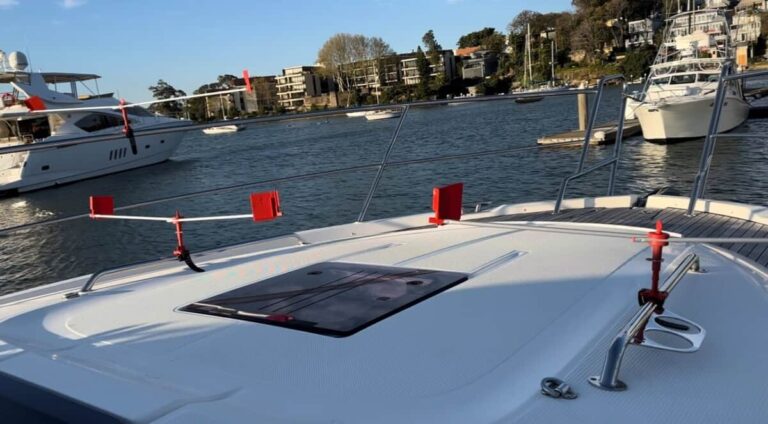
Other deterrents such as the Yard Sentinel RC on both sides of a pitched roof and/or some Flock Reflectors spaced 10 meters apart will keep the pests away all together by irritating and scaring the pests.
Whilst the system is simple, it is always best to use a professional installer as they have special skills and extensive training when it comes to navigating roof tops and their potential dangers, as well as the potential toxicity of the bird mess.
Why Birds Are a Serious Problem for Solar Panels
In Sydney and across Australia, solar is everywhere now, and it makes sense. What catches a lot of people off guard is how attractive solar panels can be to birds. That gap between the roof and the array stays warm and sheltered, so pigeons and other nuisance birds treat it like a ready-made nesting spot. Once they move in, you can end up with droppings, feathers and nesting material building up fast, plus the noise at dawn that drives everyone mad.
It’s not just a cleanliness issue, either. Nests can restrict airflow under the panels, which can push temperatures up and affect performance. Debris can wash into gutters and cause blockages, and persistent bird activity around the panels can lead to wear on cabling and fixings over time. If you’re noticing a strong smell, staining on the roof, birds regularly slipping under the array, or gutters overflowing after light rain, it’s usually a sign the problem is already established.
A long-term fix is about stopping access, not chasing birds off for a day or two. A properly fitted perimeter mesh (often called a solar panel skirt) closes the entry points without drilling into the panels, while still allowing ventilation. In some setups, adding discreet perch deterrents on nearby ridges or ledges can reduce the “hang out” spots that encourage nesting in the first place.
If you want to keep this page live, lean into practical next steps: get the area cleaned safely, identify how they’re getting in, and install a durable barrier designed for Australian conditions. Done early, it’s a straightforward job and it keeps your system running as intended for the long haul.